Economy & Engineers in WW3 Commander
How income actually wins six-player servers — workers, upgrades, islands, and protecting the cash machine.
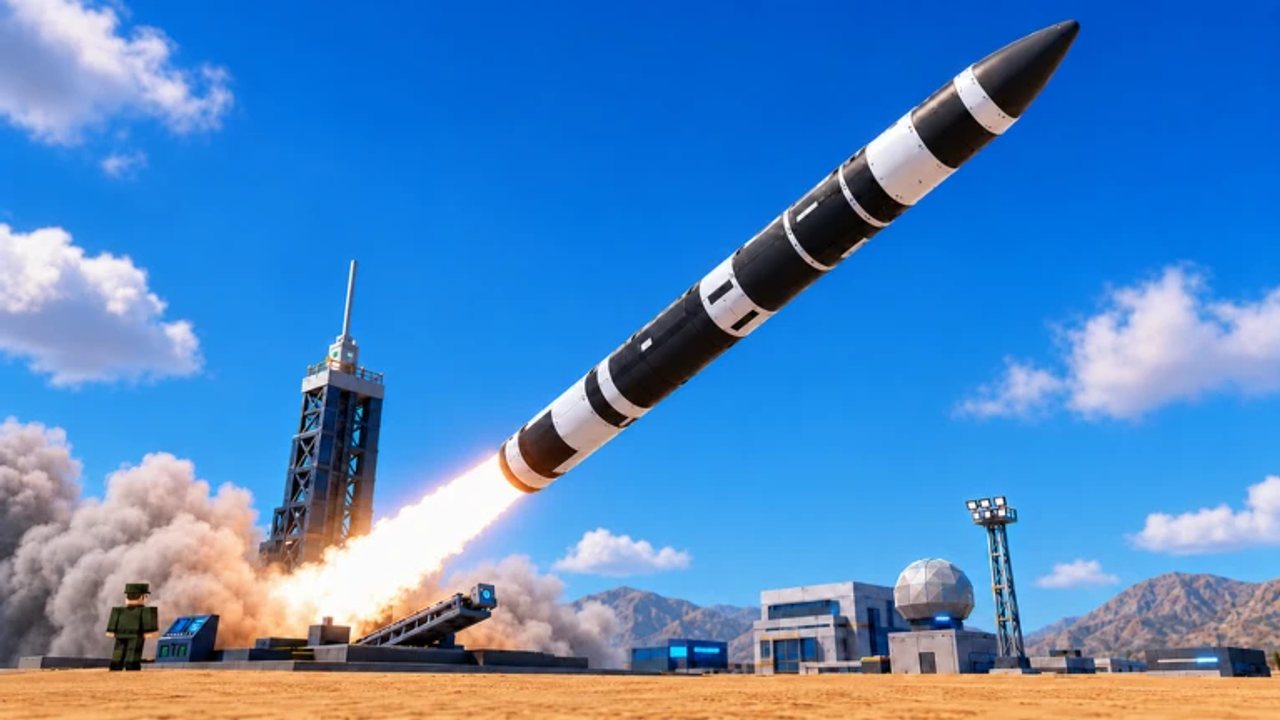
Every flashy launch in WW3 Commander is paid for by boring, compounding income. The Roblox tycoon loop from WW3 Command HQ is explicit: hire and upgrade engineers (builders / income specialists), convert that cash into missiles and air defense, then decide whether to strike rivals or farm Pirate Islands. Players who treat the shop like a toy aisle go broke. Players who treat engineers like the main character quietly buy the server.
This guide explains how to think about early cash, AFK-friendly income, island reinvestment, and why anti-air is an economy tool — not only a combat toy. Exact payout numbers change with patches, so you will not find fake “guaranteed per-minute” tables here. You will find decision rules that still work when prices drift.
The income hierarchy
Rank spending in this order until your pad feels stable:
- New engineers / workers until you have a crew that keeps generating while you scout or fight.
- Upgrades on existing engineers before you spam more bodies at base rank.
- Air defense that protects the crew and the cash you already earned.
- Practical missiles for islands and deterrence.
- Expensive prestige missiles or heavy navy toys once steps 1–4 are healthy.
Skipping to step 5 is the classic beginner trap. A premium warhead looks great in a thumbnail; an empty engineer roster looks great to the neighbor who is about to farm you.
Engineers and upgrades
Engineers are the heartbeat of the getting started plan. After the tutorial hire, keep asking two questions every time you bank cash:
- Can I afford another worker without starving defense?
- Would upgrading a current worker return more than hiring a fresh weak one?
In most Roblox tycoons, upgrading what you already own beats owning a crowd of unupgraded units. WW3 Commander follows that spirit. Spread hires if you need coverage and online presence, but do not leave a row of level-one engineers while you window-shop nukes.
Specialize later if the game offers distinct worker roles (builders, shipyard staff, ammo runners for the Warships loop). Early on, raw income rate and reliability matter more than perfect specialization.
AFK income is a feature — design for it
WW3 Commander rewards players who can step away and still grow. That does not mean you should ignore the server; it means your pad must remain productive when you are checking a guide or waiting out a ceasefire.
AFK checklist:
- Engineers hired and upgraded enough that idle time is not dead time.
- Basic air defense online so a casual missile does not erase your session.
- Enough cheap missiles reserved that you can answer a raid without a shopping trip.
- No all-in bet on a single unguarded objective.
If your strategy only works while you stare at the screen and micro every launch, you will lose to the quieter farmer who upgraded workers and walked away for ten minutes.
Pirate Islands as an economy engine
Middle / Pirate Island raids are the peaceful income path. Instead of burning high-tier missiles on a bristling rival pad, you convert modest firepower into resources you can reinvest. Community play patterns repeatedly recommend:
- Clear or pressure island objectives when PvP looks expensive.
- Reinvest island payouts into engineers first.
- Refresh AA second if the server is aggressive.
- Only then climb the missile shop.
This loop is why islands belong in an economy article, not only a combat article. Farming islands is how you buy the right to fight later. Full tactics live on the Pirate Islands guide.
Do not waste early cash on expensive missiles
Missile names you will hear in community chatter include Wave 2, Shrine, Militia, AMG, and various nuke discussions. Treat name drops as awareness, not a shopping list with verified prices. Whatever the current premium option is called, the economy rule is the same:
Early cash belongs in income and survival, not in a one-way ticket.
Expensive missiles make sense when:
- Your engineers already out-earn the missile’s replacement cost at a comfortable pace.
- You have scouted weak AA or an island objective that justifies the spend.
- Losing the missile to interceptors will not bankrupt the session.
They do not make sense when you are still unlocking basic workers, sitting on zero AA, or tilting after one bad trade.
Protect income with air defense
AA is insurance for your GDP. A pad that prints cash with no interceptors is a public resource node for whoever locked you first. Community players talk about mixes involving Vulcan, Anode, Cromwell, and AP 980 — again, player-reported names, not an official developer tier tablet. What matters strategically:
- Buy AA in parallel with economy growth, not after your third revenge war.
- Spread turrets so one strike cannot delete the whole grid.
- Rebuild AA after big fights before you restock luxury missiles.
See the air defense guide for placement habits and the tradeoff between another engineer upgrade and another turret.
Navy spending without starving the pad
The Warships update added shipbuilders and naval ammo logistics. Ships can farm and pressure, but they also siphon cash and specialist attention. Balance rules of thumb:
- Do not fund a fleet by freezing engineer upgrades.
- Keep missile deterrence even if you love navy cosmetics.
- Use workers / specialists to keep naval ammo topped up so ships are not decorative floaters.
More detail sits in Warships. From a pure economy view, navy is a branch — engineers remain the trunk.
Late-game cash methods (community-reported, optional)
Once your engineer curve and basic AA are stable, community videos and comment threads start mentioning heavier cash routes. Treat the following as optional advanced notes, not guaranteed rates, and not a reason to skip early economy discipline.
Talon warship building attacks
Some comments discuss Talon-related warship building or attack loops as a late navy cash pattern, including rough cost chatter such as ~220M appearing in community remarks. Label that figure community-reported — it is not a lab-verified forever price on this wiki, and it can be wrong for your patch or misread between creators. Before you chase it:
- Confirm the route still exists in your live shop and worker list.
- Compare net income to Pirate Island missile farming after ammo and repair costs.
- Do not liquidate land engineers to afford a single expensive naval experiment.
- Re-read Warships for shipbuilder and ammo sustain habits.
4x4 building + Wave 2 / Shrine patterns
Players also talk about 4x4-style building setups paired with mid/high missile names such as Wave 2 and Shrine as pressure-or-farm patterns. Again: community language, not an official blueprint with guaranteed payouts. Use the idea as a scouting prompt — dense building footprints plus heavy missile spam change how you budget reloads and AA repairs — then verify value in your client. Soft comparative chatter belongs on the Tier List; prestige nuke-tier spends that can erase the same bankroll are covered in Nukes.
Rule for all late routes: if the method needs a YouTube comment to explain the exact millions, assume drift, keep a repair reserve, and abort when your engineer upgrades stall.
Session budgeting template
When you join a server, split your next bankroll into mental envelopes:
- 50%+ toward engineers and their upgrades until income feels sticky.
- A dedicated slice toward AA gaps.
- A flexible slice toward island-capable missiles.
- A small discretionary slice toward experiments (new missile type, ship trial, vanity).
Adjust the percentages when you are already rich or already under siege, but keep the envelopes. Impulse buys without envelopes are how pads collapse.
How economy ties to the rest of the wiki
- New to the game? Start at Getting Started.
- Ready to spend on weapons? Read Missiles and cross-check the Tier List.
- Under fire? Fix Air Defense before restocking offense.
- Prefer peace? Live on Pirate Islands.
- Curious about codes or group rewards? Stay skeptical on Codes — economy from engineers beats chasing unverified strings.
- Tempted by late navy or prestige strike flex? Cross-check Warships and Nukes before you empty the account that pays for workers.
Long-run mindset
WW3 Commander’s six-player servers punish brittle economies. You do not need the strongest single missile on minute twenty; you need a pad that can replace losses, fund AA repairs, and keep engineers working while politics shift in chat. Grow the machine, shield the machine, then point the machine at islands or rivals on your terms.
If you remember nothing else: upgrade engineers, farm islands when fights are inefficient, and never let a shiny missile empty the account that pays for everything else.
Frequently Asked Questions
Quick answers commanders ask most often.
What is the best early spend in WW3 Commander?
Engineers and their upgrades. Income compounding beats early premium missiles that you cannot replace after one intercept.
Should I AFK in WW3 Commander?
AFK income is part of the design, but only if engineers are upgraded and basic air defense is online so idle time is not free loot for neighbors.
Are Pirate Islands better than PvP for money?
Often yes for new or rebuilding pads. Island resources reinvest cleanly into engineers without the full cost of a defended player war.
When should I buy expensive missiles?
After your crew out-earns replacements comfortably and you have scouted a target or island objective that justifies the risk.
Is air defense part of the economy?
Yes. AA protects the cash and workers you already paid for. Losing an undefended pad is an economy failure, not only a combat failure.
Are Talon or 4x4 Wave 2/Shrine routes guaranteed money?
No. Those are community-reported late patterns with patch-volatile costs and payouts. Treat comment figures like ~220M as unverified leads and compare them to boring engineer plus island income.